Who gave Ravan his boon, and what was it?
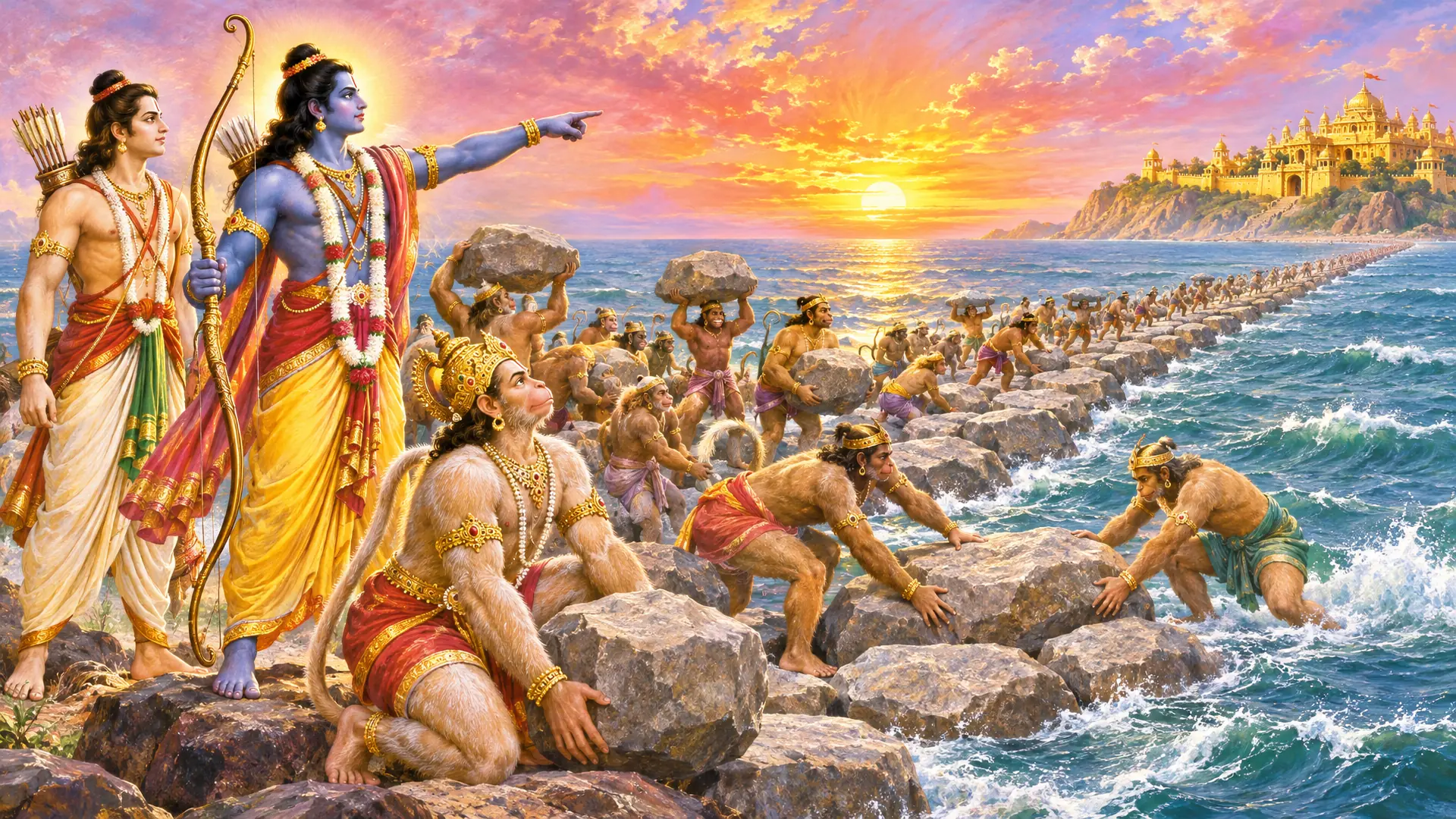
Brahma granted Ravan protection from death, with an exception that left him vulnerable. In Goswami Tulsidas’s Ramcharitmanas, Shivji says that he and Brahma together granted protection against everyone except monkeys and humans. In Maharshi Valmiki’s Ramayana, Brahma alone grants the boon after refusing immortality, and humans remain outside its protection because Ravan considers them insignificant.
Ravan’s boon in the Ramcharitmanas
Severe austerity brings Ravan the opportunity to ask for a boon. Ravan, Kumbhakaran and Vibhishan practise austerities so severe that Goswami Tulsidas describes them as beyond narration. Pleased by their penance, Brahma approaches and invites Ravan to ask.
Ravan clasps his feet and makes this request:
करि बिनती पद गहि दससीसा। बोलेउ बचन सुनहु जगदीसा॥ हम काहू के मरहिं न मारें। बानर मनुज जाति दुइ बारें॥२॥ Ramcharitmanas, Bal Kand, Doha 177, Chaupai 2
“Ravan humbly held his feet and said: O Lord of the universe, grant that no one may kill me except monkeys and humans.”
The word मनुज means human. Its place beside बानर, meaning monkey, makes the condition explicit. Ravan asks for protection that leaves these two kinds of beings outside it.
Shivji, narrating to Parvati, then identifies the givers:
एवमस्तु तुम्ह बड़ तप कीन्हा। मैं ब्रह्माँ मिलि तेहि बर दीन्हा॥ Ramcharitmanas, Bal Kand, Doha 177, Chaupai 3
“So be it, for you have performed great austerity. Brahma and I together granted him this boon.”
Thus, the Ramcharitmanas expressly includes Shivji with Brahma in granting the boon.
Ravan’s boon in the Valmiki Ramayana
Maharshi Valmiki’s Uttara Kanda describes Ravan fasting for ten thousand years and offering one head into the fire at the completion of each thousand years. When Brahma appears, Ravan first asks for immortality. Brahma refuses:
एवमुक्तस्तदा ब्रह्मा दशग्रीवमुवाच ह। नास्ति सर्वामरत्वं ते वरमन्यं वृणीष्व मे॥ १७॥ Valmiki Ramayana, Uttara Kanda, Sarga 10, Shloka 17
“Brahma told Ravan that absolute immortality could not be granted to him, and asked him to choose another boon.”
Ravan then requests immunity from death at the hands of Suparnas, Nagas, Yakshas, Daityas, Danavas, Rakshasas and gods. His reason for leaving others out is revealing:
नहि चिन्ता ममान्येषु प्राणिष्वमरपूजित। तृणभूता हि ते मन्ये प्राणिनो मानुषादयः॥ २०॥ Valmiki Ramayana, Uttara Kanda, Sarga 10, Shloka 20
“I have no anxiety about other living beings, for I regard humans and such creatures as mere straw.”
Brahma grants the request, restores Ravan’s sacrificed heads and grants him the ability to assume any form at will.
The differences are clear. The Ramcharitmanas explicitly names monkeys and humans as exceptions and includes Shivji as a giver. Maharshi Valmiki names Brahma alone, records the refusal of immortality and explains that Ravan omits humans through contempt. In the Bala Kanda, Brahma states the consequence:
नाकीर्तयदवज्ञानात् तद् रक्षो मानुषांस्तदा। तस्मात् स मानुषाद् वध्यो मृत्युर्नान्योऽस्य विद्यते॥ १४॥ Valmiki Ramayana, Bala Kanda, Sarga 15, Shloka 14
“Ravan did not mention humans because he despised them. Therefore, a human alone could kill him, and no other death awaited him.”
What Ravan’s request teaches us
Austerity does not make every desire wise. Ravan undertakes severe penance, yet his request reveals contempt for beings he considers beneath him. His effort is immense, but his judgment still contains pride.
For example, imagine a student who carefully prepares the hardest parts of an examination and dismisses a simple chapter as beneath his attention. He leaves it unread. When a question comes from that chapter, his confidence cannot supply the missing understanding. Similarly, Ravan’s contempt determines what he leaves outside his protection.
One may object that such extensive protection should have made him immortal. Brahma’s refusal answers this directly. Protection against named beings remains conditional.
Shri Ram’s human form fulfils that condition. The Lord’s taking human form allows Ravan’s defeat within the boon’s own terms. We should therefore examine what pride makes us dismiss, and bring humility into our spiritual effort.
The 2026 film
The 2026 film retells this story. Read the scripture itself for the full account of Ravan’s boon.